
When a microwave is not heating food, will not turn on, stops mid cycle or makes unusual noises, it often indicates underlying electrical, heating or control related issues.
Professional microwave repair in Sugar Land helps restore safe operation, proper heating performance and reliable daily use before problems escalate.
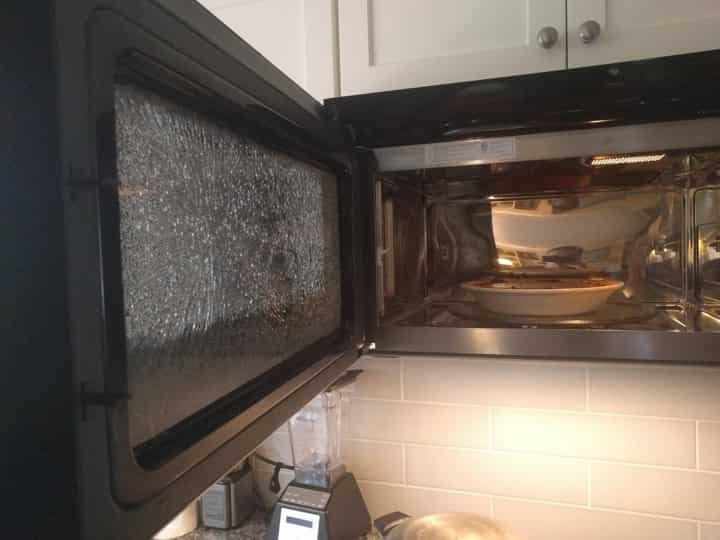
Heating failures, power issues or unusual noises can quickly disrupt daily kitchen routines and food preparation.
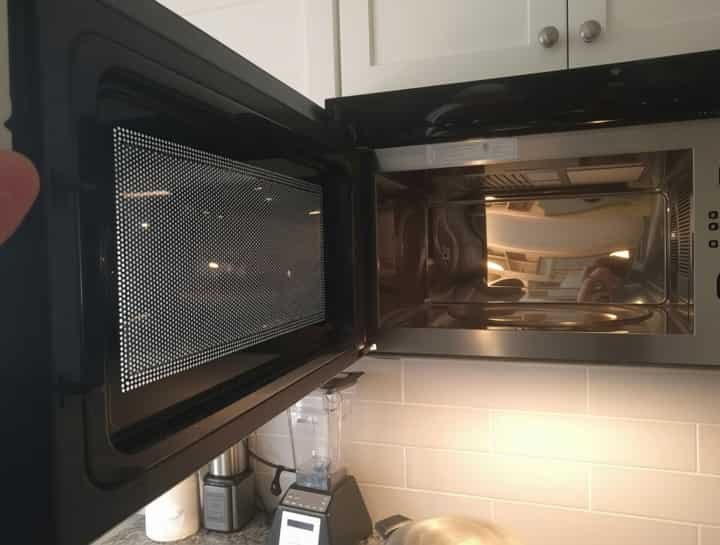
A proper diagnosis helps determine whether your microwave can be safely and effectively repaired.
We provide professional microwave repair services for built in and countertop units, helping homeowners in Sugar Land restore safe operation and reliable heating performance.
Microwaves can fail in different ways depending on usage, internal components and electrical load. Issues such as lack of heating, power interruptions, unusual noises or unresponsive controls often indicate underlying problems that require proper diagnosis.
No heat, uneven heating or longer cooking times may point to issues with the magnetron, capacitor or internal wiring.
Buttons, touch panels and control boards may stop responding due to wear, moisture exposure or electrical faults.
Microwaves rely on high voltage systems, internal fuses and electronic controls, and failures often affect safety and performance differently.
Addressing microwave issues early helps avoid damage to high voltage components and more complex repairs later on.
When a microwave runs but does not heat properly, the issue often involves the magnetron, high voltage components or internal fuses.
A unit that will not power on may have problems with door switches, internal fuses or electrical connections.
Unresponsive buttons or displays often point to control board or touch panel failures.
Buzzing sounds or visible sparks may indicate electrical faults or failing internal components.
Before scheduling a repair, it helps to understand how microwaves behave when something is not working correctly. The table below outlines common symptoms, possible causes and why professional diagnosis is often recommended.
| Issue noticed | What it may indicate | Why inspection matters |
|---|---|---|
| Microwave runs but does not heat | Magnetron failure, high voltage diode or capacitor issues. | Ensures safe heating and prevents damage to high voltage components. |
| Microwave will not turn on | Door switch problems, blown fuse or power interruption. | Restores safe operation and avoids electrical safety risks. |
| Controls or touchpad not responding | Control board or touch panel malfunction. | Prevents unreliable operation and unexpected shutdowns. |
| Unusual noises during operation | Failing internal components or electrical arcing. | Helps identify potential safety hazards before they worsen. |
| Microwave shuts off mid cycle | Overheating protection or internal sensor issues. | Protects the appliance and ensures consistent cooking performance. |
If your microwave is not heating, will not turn on, stops mid cycle or makes unusual noises, getting the issue checked early can prevent further damage and restore safe kitchen use.
Same day service is available for many microwave issues, depending on technician and parts availability.
Microwaves that fail to heat, stop unexpectedly or spark during use may pose electrical and safety risks if left unchecked.
| What to tell us | Why it helps | Examples |
|---|---|---|
| Appliance type | Helps confirm the issue affects a microwave unit. | Built in microwave, over the range microwave, countertop microwave |
| Main symptom | Identifies the most likely internal components involved. | Not heating, not turning on, sparking, making noise |
| When it happens | Helps determine whether the issue is constant or intermittent. | During heating, mid cycle, when door closes |
| Installation type | Clarifies access requirements and service approach. | Over the range, built in cabinet, countertop |
| Brand and model | Improves accuracy when checking parts availability. | Model number inside the door frame or back panel |
When a microwave stops heating, turns on but does not cook, makes unusual noises or the control panel stops responding, it is not always clear whether a repair makes sense. Many common microwave issues are related to components such as door switches, magnetrons, control boards or sensors and can often be resolved after a proper professional diagnosis.
Speaking with a technician is usually the fastest way to determine whether your microwave can be safely repaired, helping avoid unnecessary replacement and preventing potential electrical or safety risks.