When a garbage disposal stops working properly, everyday kitchen tasks can quickly turn into a bigger plumbing issue.
Unusual noises, frequent clogs, slow draining or a unit that will not turn on often indicate
mechanical jams, electrical faults or internal wear that should be addressed early.
Our garbage disposal repair service in Sugar Land focuses on restoring safe operation,
protecting your sink and preventing damage to connected plumbing lines.
A disposal that will not turn on, keeps tripping the reset button or makes a loud grinding noise
can quickly disrupt your kitchen routine.
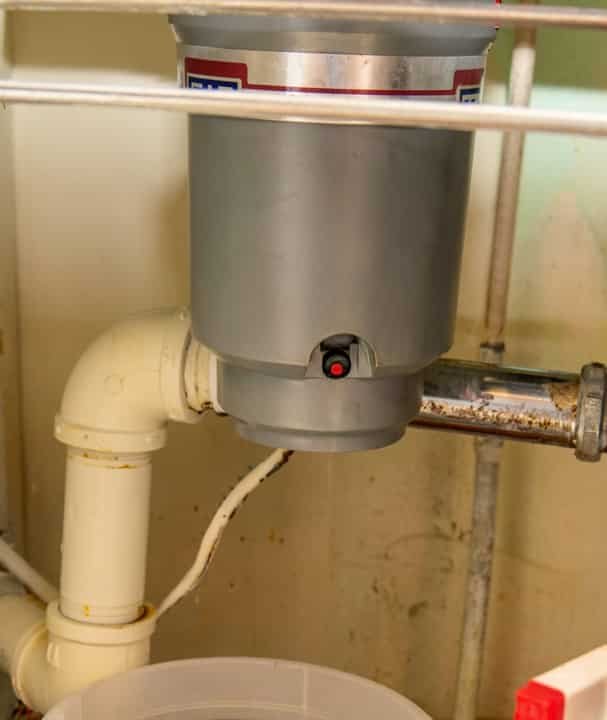
A proper diagnosis helps determine whether your garbage disposal can be safely repaired
or needs part replacement.
We provide professional garbage disposal repair services for homeowners in Sugar Land, restoring safe operation, smooth grinding performance and reliable kitchen drainage.
Or technicians identify the root cause and apply the correct fix the same day whenever possible.
Garbage disposals can fail in different ways depending on usage,
food waste habits and internal mechanical components.
Problems such as jamming, loud grinding noises,
water leaks or units that will not turn on often indicate underlying issues
that require proper diagnosis.
Seals, mounting connections and drain lines may wear out
or loosen with regular use.
Early detection of water leaks helps prevent cabinet damage and drainage issues under the sink.
Jamming, humming noises or complete power loss may point to different internal failures.
Problems can involve foreign objects, worn components or electrical overload.
Garbage disposals combine moving parts with electrical components.
Identifying whether the issue is related to the motor, internal blades or power supply helps determine the correct repair approach.
Continuing to use a faulty disposal can strain the motor
and surrounding plumbing.
Addressing issues early reduces the risk of complete unit failure and more costly repairs.
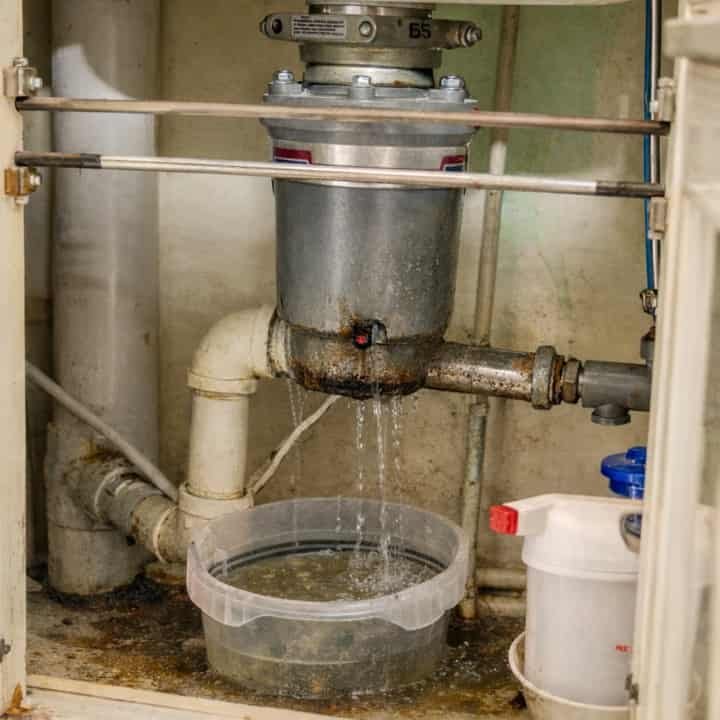
Leaks may develop from worn seals, loose mounting connections or damaged drain lines. Addressing leak issues early helps prevent cabinet damage and mold growth.
When the unit shows no response, the issue may involve a tripped reset button, electrical fault or motor failure. Loss of power often indicates the need for professional inspection.
A humming noise usually means the motor is receiving power but the blades are stuck. This is commonly caused by jammed food waste or foreign objects inside the chamber.
Loud or unusual noises often indicate worn internal components or objects interfering with blade movement. Reduced grinding efficiency can lead to slow drainage and recurring clogs.
Before scheduling a repair, it helps to understand how garbage disposals behave when something is not working correctly. The table below outlines common symptoms, possible causes and why professional inspection is often recommended.
| Issue noticed | What it may indicate | Why inspection matters |
|---|---|---|
| Disposal does not turn on | Tripped reset button, electrical issue or motor failure. | Restores safe operation and prevents further electrical damage. |
| Humming sound without grinding | Jammed blades or foreign object blocking rotation. | Prevents motor burnout and internal component damage. |
| Water leaking under the sink | Worn seals, loose mounting assembly or drain connection issues. | Avoids cabinet damage, mold growth and plumbing problems. |
| Frequent reset button trips | Electrical overload or failing internal components. | Helps identify deeper issues before complete unit failure. |
| Poor grinding performance | Dull components, internal wear or food buildup. | Restores proper waste processing and prevents recurring clogs. |
If your garbage disposal will not turn on, keeps tripping the reset button or makes unusual noises, getting the issue checked early can prevent further damage and restore proper kitchen drainage.
Same day service is available for many garbage disposal issues, depending on
technician and parts availability.
Garbage disposals that jam, leak or shut off unexpectedly may cause plumbing issues and electrical risks if left unchecked.
| What to tell us | Why it helps | Examples |
|---|---|---|
| Appliance type | Helps route your request and prepare for the correct diagnosis. | Garbage disposal under sink |
| Power source | Electrical issues require different checks than mechanical failures. | Hardwired unit, plug in unit |
| Main symptom | Identifies the most likely internal components involved. | Not turning on, humming sound, leaking water, poor grinding |
| When it happens | Helps determine whether the issue is constant or intermittent. | After use, during grinding, after reset button trips |
| Brand and model | Improves accuracy when discussing parts and repair options. | Model label on the disposal housing or manual |
When a garbage disposal starts failing, it is not always obvious whether repair is possible. Many common issues such as jamming, electrical faults or leaking connections can be resolved after a proper inspection, restoring safe and reliable kitchen operation.
Speaking with a technician is often the fastest way to determine your next step.